
Are Area Rugs Machine Washable?
Posted by Janice Wells on June 11, 2026
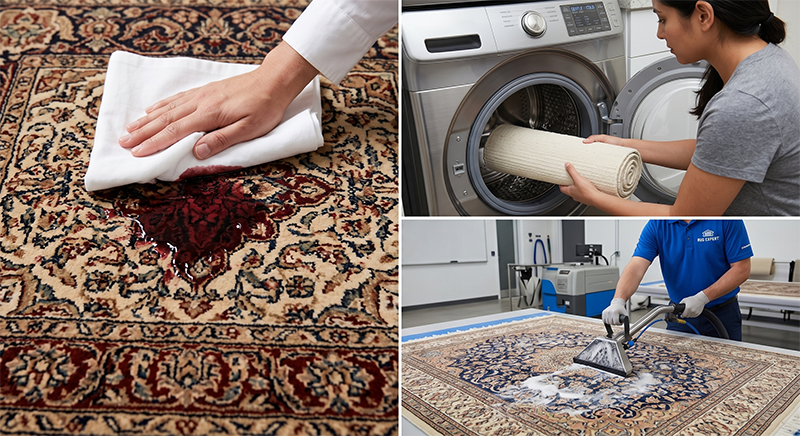
This is one of those questions I get asked constantly, and I completely understand why. You have a beautiful area rug, something gets spilled on it, or it just starts looking dull and dingy from everyday use, and your first thought is “maybe I can put this in the washing machine?”
I wish it were always that simple. The honest answer is: it depends. Some rugs can absolutely go in a washing machine if its states on the label they are washable. Others will be permanently damaged if you try. And for many of the rugs I work with every day, the best solution involves neither your washing machine nor your garden hose.
After 25 years of working with area rugs of every material, construction, and size imaginable, I have seen what proper cleaning does for a rug and I have also seen what improper cleaning does as well. Let me walk you through everything you need to know so you can make the right decision for your specific rug.
Step One: Know What Your Rug Is Made Of
Before you do anything else, check the care label on your rug. Most rugs have one attached to the back or along one edge. That label will tell you the fiber content and often give you specific cleaning instructions.
If there is no label, or if you are not sure what fiber content you have, here is a quick reference by material type, because fiber content is the single most important factor in how a rug should be cleaned.
Synthetic fibers (polypropylene, nylon, polyester). These are generally the most forgiving when it comes to cleaning. Many smaller synthetic rugs are machine washable, if it says they are on the label. Most can handle a gentle hand wash or for performance rugs an outdoor hose-down can be performed without damage if they are small enough to lie over a fence or outdoor chairs to dry. It’s important to get them off the ground so air flows under them which helps assist with drying times and prevents mildew.
Wool. Wool is a beautiful, durable all-natural fiber, but it requires a gentler approach when handling it, if wet. Wool can shrink, felt, or distort if exposed to hot water or agitation. Most wool rugs will outlast synthetic rugs and its always best practice to have wool rugs professionally cleaned. It is fine to spot clean an all-wool rug using a clean cloth and clear gentle soap with a little water and blot, blot, blot, never scrub.
Cotton. Smaller cotton rugs, like flat-woven dhurries or simple woven styles, are often machine washable on a gentle cycle in cold water if it states so on the label. Larger cotton rugs are trickier because of the weight and longer drying times larger rugs require it is also recommended to have them also professionally cleaned, especially if they are larger than 4x6 in size.
Jute, sisal, and seagrass. These natural plant-based fibers are highly sensitive to moisture. Getting them too wet can cause shrinkage, browning, mold, and structural damage. These rugs should never be wet-washed at home.
Silk. Silk rugs are among the most delicate and should always be professionally cleaned. No exceptions.
Handwoven and antique rugs. Whether wool, silk, or cotton, handwoven rugs including Persian, Oriental, and tribal styles require professional care. The dyes, the foundation fibers, and the construction are all vulnerable to damage from improper washing.
Shag rugs. The long, loose pile of shag rugs can tangle, mat, and distort in a washing machine. Many shag rugs require specialized cleaning by a professional carpet cleaner.
Machine Washing: When It Works and When It Does Not
Let's talk honestly about the washing machine option, because it genuinely works well for certain rugs and genuinely ruins others.
When machine washing can work:
Small rugs, generally those under 4 x 6 feet, made from synthetic fiber or cotton are often good candidates for machine washing, if it lists this option on the label. Provided your machine is large enough to accommodate them without cramming. Personally, would not place a large rug in my washing machine even though the machine has a large tub for fear it would do damage to the washing machine.
The guidelines I recommend:
Use cold water only. Hot water causes shrinkage and can set stains permanently.
Use a gentle or delicate cycle. The agitation in a normal wash cycle is too hard on rug fibers as well as the backing.
Use a mild clear in color detergent, ideally one formulated for delicate fabrics or wool even if your rug is synthetic. Harsh detergents strip natural oils from fibers if wool and degrade backing materials over time.
Do not wash a washable rug with clothing or other household items.
Never use a washing machine with a center agitator post for an area rug. These machines are too rough on rug construction. A front-loading machine or a top-loader without a center agitator is much gentler and is always best practice.
Check the backing before washing. Rubber or latex-backed rugs can break down and crumble in a washing machine, especially with heat. If your rug has a rubber backing, machine washing is likely to damage it.
The cons of machine washing:
Even for rugs that technically can be machine washed, repeated machine washing shortens their lifespan. The agitation and spin cycle stress the fibers and backing with every wash. Over time, colors fade, pile thins, and backing deteriorates faster than it would with gentler cleaning methods.
Machine washing also does not perform deep cleaning the way professional methods do. Surface dirt is removed, but deeply embedded grit and allergens that have worked their way into the pile and foundation of the rug often remain.
Hand Washing at Home: A Gentler Option for Many Rugs
For rugs that are not machine washable but can handle moisture, hand washing is a wonderful middle ground. It gives you more control, uses less agitation, and is gentler on fibers and construction.
How to hand wash an indoor-outdoor rug:
Take the rug outside or to a large, clean hard surface like a driveway, garage floor or deck. You will want space and a water source nearby.
Start by vacuuming both sides of the rug thoroughly to remove loose dirt and debris before introducing any water. This step makes a significant difference in the final result.
Mix a small amount of mild clean detergent with cool water in a bucket. You want suds, not a concentrated solution.
Use a very soft-bristle brush or sponge to work the cleaning solution gently into the pile in a circular motion, working along the direction of the fibers. Never ever scrub aggressively, especially on wool or more delicate fiber constructions.
Rinse thoroughly with a garden hose or clean water, working from one end to the other. Incomplete rinsing leaves detergent residue in the pile, which attracts dirt faster and dulls the appearance of the rug. Press out as much water as possible. A squeegee works beautifully for this. Do not wring or twist the rug.
Dry flat or draped over a railing in a shaded, well-ventilated area. Direct sun can fade colors, particularly on wool and natural dye rugs. Make sure the rug dries completely before bringing it back inside. A damp rug placed on any floor is an invitation for mold and mildew.
The pros of hand washing:
More control than machine washing. Less risk of damage. Effective for light to moderate soiling on rugs that can handle moisture.
The cons of hand washing:
Labor intensive, especially for larger rugs. Drying can take a full day or more depending on weather and thickness. Not suitable for rugs sensitive to moisture, including jute, sisal, wool with certain dye types, antique pieces, or handwoven rugs.
Spot Cleaning: Your First Line of Defense for Everyday Accidents
For spills and isolated stains, spot cleaning is almost always the right first response, and it is something every rug owner should know how to do well.
Act immediately. The faster you address a spill, the better your chances of removing it completely. Blot, blot, blot, never rub or scrub. Rubbing drives the spill deeper into the pile fibers and spreads it outward making it larger.
Use a clean white cloth. Colored cloths can transfer dye to a wet rug. Always blot with a white clean cloth.
Work from the outside of the stain inward. This prevents the stain from spreading as you work.
Use cold water first. For most spills, plain cold water and blotting removes a surprising amount of the stain before any cleaner is needed, unless it is viscose. Water and viscose do not mix.
For tougher stains, a mixture of cool water and a small amount of dish soap works pretty well on synthetic rugs. For wool, always use a pH-neutral cleaner specifically formulated for wool fibers.
Rinse thoroughly. After treating stains, blot the areas with clean water to remove any soap residue. Residue left in the fibers attracts dirt and can leave a dull patch.
Never use hot water on stains. Heat sets protein-based stains like blood and certain food stains permanently.
The pros of spot cleaning:
Fast, accessible, and effective for isolated spills when done correctly. Does not require drying the entire rug.
The cons of spot cleaning:
Not a substitute for periodic deep cleaning. Overuse of cleaning products can leave residue that dulls the rug over time. Some stains, including red wine, pet accidents, and certain dyes, may require professional attention to remove completely.
Dry Cleaning and Low-Moisture Methods
Some rugs, particularly those sensitive to moisture like antique pieces, certain wool constructions, and silk rugs, benefit from dry cleaning or low-moisture cleaning methods.
Dry cleaning for rugs is not identical to garment dry cleaning. Rug dry cleaning typically involves the use of dry-cleaning compounds or very low-moisture foam that is worked into the pile and then vacuumed out. This method cleans without saturating the fibers, which is ideal for moisture-sensitive materials. These methods are best performed by professionals with experience in specialty rugs.
Hiring a Professional Rug Cleaning Company: The Gold Standard
For most of the rugs I work with at Rug Goddess, including quality wool rugs, handwoven pieces, custom rugs, and any rug that represents a significant investment, professional cleaning is my top recommendation for periodic deep cleaning.
Here is what you need to know.
What professional rug cleaning involves
A reputable professional rug cleaner will inspect your rug, identify the fiber content and construction, test dyes for colorfastness, and select the appropriate cleaning method for that specific rug. The cleaning typically involves thorough dusting to remove deep-set grit, washing with appropriate solutions, rinsing, controlled drying, and often a final grooming of the pile.
Some cleaners specialize in hand washing rugs using methods closely aligned with how the rug was originally made. This is the best option for valuable handwoven and antique pieces.
The pros of professional cleaning
The results are simply in a different category from anything you can achieve at home. Professional equipment removes deeply embedded dirt, allergens, and odors that home methods cannot reach. Dyes are handled correctly to prevent bleeding and fading. The rug is dried in a controlled environment that prevents mold and distortion. And a skilled professional will identify any areas of concern, including wear, damage, or pest issues, that you might not have noticed.
For clients who have invested in quality rugs from our exclusive collections, I always recommend professional cleaning every one to three years depending on traffic and use. It genuinely extends the life of the rug and keeps it looking beautiful for far longer than any home cleaning alone.
The cons of professional cleaning
Cost is the primary consideration. Professional rug cleaning is priced per square foot and can represent a meaningful investment for large or specialty rugs. Pickup and delivery add time and logistics. And not every area has access to a truly skilled specialty rug cleaner, which means doing some research to find the right provider. Make sure to get a couple of quotes if possible.
What to look for in a professional rug cleaner
Look for a company that specializes in area rugs specifically, not just wall-to-wall carpet cleaning. Ask whether they wash rugs in-plant or clean them on-site. In-plant washing at a dedicated facility is generally superior.
Ask how they handle different fiber types and whether they test dyes before cleaning. Ask about their drying process. A company that cannot answer these questions confidently may not have the expertise your rug deserves.
Check reviews specifically for area rug cleaning and ask for references if you are bringing in a valuable or antique piece.
A Quick Reference Guide by Rug Type
I know that was a lot of information, so here is a simple summary to help you decide which cleaning method is right for your rug.
Small synthetic rugs: Machine wash on gentle in cold water, or hand wash.
Small cotton flatweave rugs: Machine wash on gentle in cold water, or hand wash.
Medium to large synthetic rugs: Hand wash outdoors or professional cleaning.
Wool rugs: Spot clean for spills, professional cleaning for deep cleaning.
Jute, sisal, seagrass: Dry cleaning or low-moisture methods only. Avoid saturating with water.
Shag rugs: Gentle hand cleaning or professional cleaning. Never machine wash.
Silk rugs: Professional cleaning only, always.
Handwoven, Persian, antique rugs: Professional cleaning only, always.
Custom rugs: Consult with the source. At Rug Goddess, I am always happy to advise on the proper care for any rug you purchase here at Rug Goddess.
When in Doubt, Ask an Expert
If you are unsure about the right way to clean your rug, please reach out before you try something that might cause permanent damage. This is exactly the kind of question I love to help with. A quick conversation can save you from a very expensive mistake.
And who knows if your rug has reached the point where no amount of cleaning is going to bring it back to the way it once looked, that is an exciting moment. It means it is time for something new.
Through in-home and virtual consultations, I bring 25 years of specialized expertise directly to your space and help you find exactly the right rug for your home or office. Our exclusive collections include brands you will not find at any big box store, and our custom capabilities mean that no matter the size, shape, or style vision, we can make it happen. Our room visualizer even lets you see how a new rug looks in your actual space before you commit to anything.
Schedule your consultation today, in-home or virtual, and let us help you find a rug you will love for years to come.
Visit ruggoddess.com, call us at 1-352-503-9410, or reach out to me personally at janice@ruggoddess.com. I am here to help every step of the way.
Janice Wells “the Rug Goddess” ruggoddess.com