
-

Momeni Isabella ISA10 Blue Area Rug
Momeni Isabella ISA10 Blue Area Rug is a classic medallion design recreated in fashion-forward soft pastel blue and warm neutrals for an elegant yet modern look. This traditional light blue rug is...
$79.00 - $959.00 -

Momeni Ibiza IBI-04 Orange Area Rug
Momeni Ibiza IBI-04 Orange Area Rug the saturated shades of this decorative area rug reinvent the classic Persian carpet in a vivid color palette. The captivating assortment offers a modern...
$69.00 - $859.00 -

Momeni Ibiza IBI-04 Blue Area Rug
Momeni Ibiza IBI-04 Blue Area Rug the saturated shades of this decorative area rug reinvent the classic Persian carpet in a vivid color palette. The captivating assortment offers a modern...
$69.00 - $859.00 -
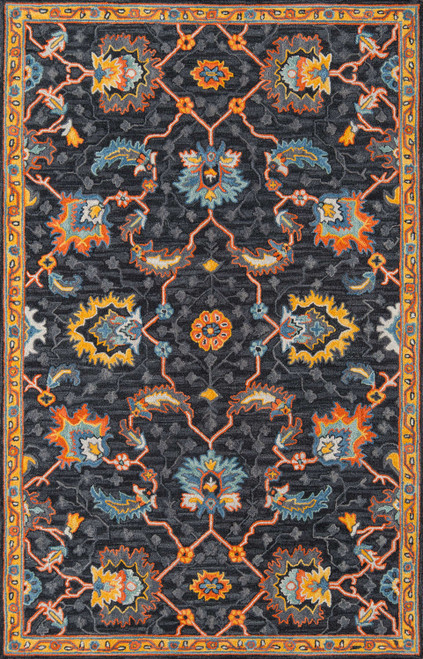
Momeni Ibiza IBI-03 Charcoal Area Rug
Momeni Ibiza IBI-03 Charcoal Area Rug the saturated shades of this decorative area rug reinvent the classic Persian carpet in a vivid color palette. The captivating assortment offers a modern...
$69.00 - $859.00 -
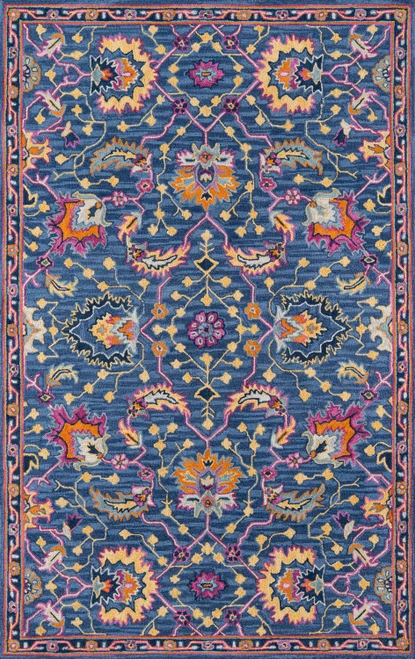
Momeni Ibiza IBI-03 Blue Area Rug
Momeni Ibiza IBI-03 Blue Area Rug the saturated shades of this decorative blue rug reinvent the classic Persian carpet in a vivid color palette. The captivating assortment in the Ibiza collection...
$69.00 - $859.00 -

Momeni Ibiza IBI-02 Orange Area Rug
Momeni Ibiza IBI-02 Orange Area Rug the saturated shades of this decorative area rug reinvents the classic Persian carpet in a vivid color palette. The captivating assortment offers a modern...
$69.00 - $859.00 -

Momeni Ibiza IBI-02 Navy Area Rug
Momeni Ibiza IBI-02 Navy Area Rug the saturated shades of this decorative area rug reinvent the classic Persian carpet in a vivid navy blue color palette. The captivating assortment offers a modern...
$69.00 - $859.00 -
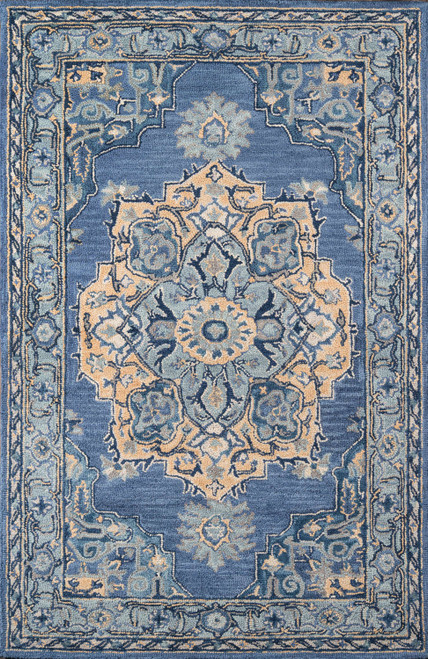
Momeni Ibiza IBI-01 Denim Area Rug
Momeni Ibiza IBI-01 Denim Area Rug the saturated shades of this decorative area rug reinvent the classic Persian carpet in a vivid color palette. The captivating assortment offers a modern...
$69.00 - $859.00 -

Momeni Cosette COS-3 Blue Area Rug
Momeni Cosette COS-3 Blue Area Rug the intricate ornamentation of this tone on tone blue traditional rug is rich with regal embellishment. Made of all natural 100% wool this Moroccan-inspired...
$126.00 - $1,699.00 -
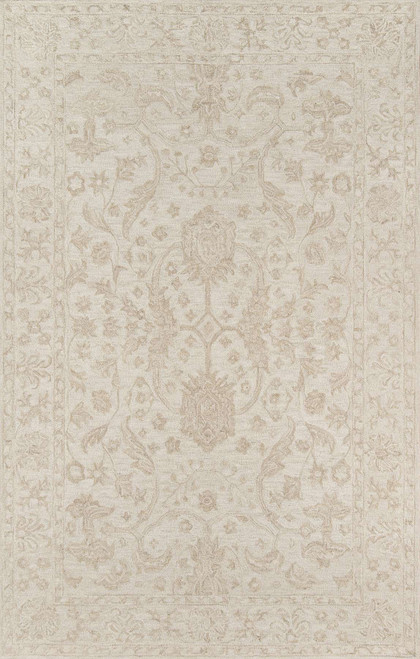
Momeni Cosette COS-2 Beige Area Rug
Momeni Cosette COS-2 Beige Area Rug the intricate ornamentation of this beige traditional rug is rich with regal embellishment. Made of all-natural 100% wool this Moroccan-inspired arabesque and...
$126.00 - $1,699.00 -

Momeni Cosette COS-1 Pink Area Rug
Momeni Cosette COS-1 Pink Area Rug the intricate ornamentation of this pink traditional rug is rich with regal embellishment. Moroccan-inspired arabesques and medallions recall the repeating patterns...
$126.00 - $1,699.00 -

Momeni Cosette COS-1 Blue Area Rug
Momeni Cosette COS-1 Blue Area Rug the intricate ornamentation of this blue and gold traditional rug is rich with regal embellishment. made of all-natural 100% wool this Moroccan-inspired arabesque...
$126.00 - $1,699.00 -
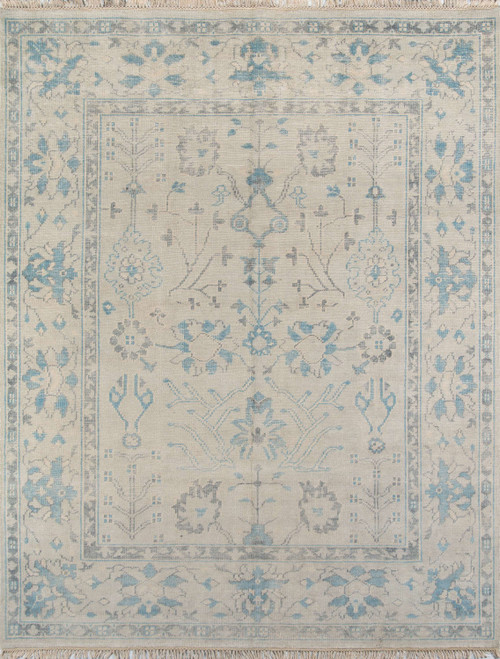
Momeni Erin Gates Concord CRD-3 Ivory Area Rug
Momeni Erin Gates Concord CRD-3 Ivory Area Rug the enduring style of this Erin Gates by Momeni area rug collection is rooted in historical artistry. The classically inspired ivory and aqua blue...
$179.00 - $3,829.00 -
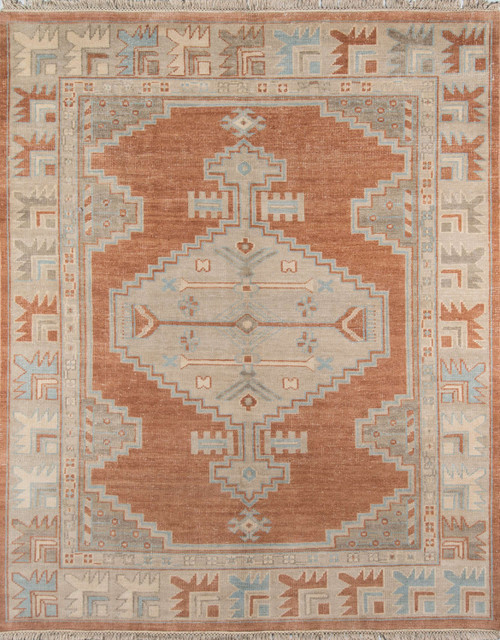
Momeni Erin Gates Concord CRD-1 Rust Area Rug
Momeni Erin Gates Concord CRD-1 Rust Area Rug the enduring style of this Erin Gates rug by Momeni is rooted in historical artistry. The classically inspired center medallion rug offers an array of...
$179.00 - $3,829.00 -
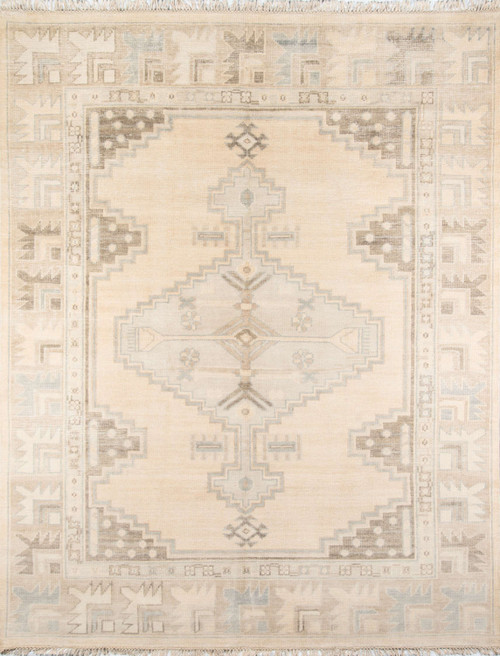
Momeni Erin Gates Concord CRD-1 Beige Area Rug
Momeni Erin Gates Concord CRD-1 Beige Area Rug the enduring style of this Erin Gates rug by Momeni is rooted in historical artistry. The classically inspired neutral hand-knotted wool rug offers an...
$179.00 - $3,829.00 -

Momeni Chandler CHN-7 Rust Area Rug
Momeni Chandler CHN-7 Rust Area Rug with the texture of a hand-knotted rug, this traditional rust Chandler rug uses exceptional printing technology to get the look without costing you a fortune...
$39.00 - $769.00 -

Momeni Chandler CHN-6 Navy Area Rug
with tMomeni Chandler CHN-6 Navy Area Rug with the texture of a hand-knotted rug, our Chandler collection uses exceptional printing technology to get the look without costing you a fortune...
$39.00 - $769.00 -

Momeni Bristol BRS-2 Natural Area Rug
Momeni Bristol BRS-2 Natural Area Rug this simplified tribal pattern in a myriad of contemporary neutral hues is part of the Bristol Rug Collection and is hand-woven of all natural 90% wool and 10%...
$99.00 - $1,539.00 -

Momeni Banaras BNR-5 Pink Area Rug
Momeni Banaras BNR-5 Pink Area Rug centuries of artisanal craftsmanship are woven into the ornamental patterns of this muted pink traditional rug. Every inch of this handmade floor covering feels...
$749.00 - $3,299.00 -

Momeni Banaras BNR-4 Grey Area Rug
Momeni Banaras BNR-4 Grey Area Rug centuries of artisanal craftsmanship are woven into the ornamental patterns of this traditional Banaras area rug collection. Every inch of this grey handmade floor...
$1,759.00 - $3,299.00 -
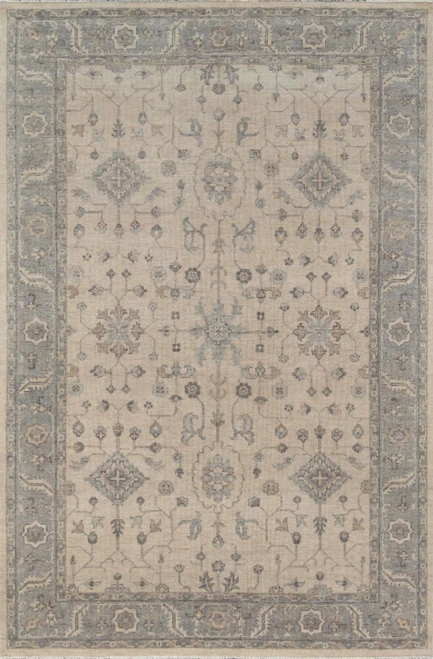
Momeni Banaras BNR-3 Beige Area Rug
Momeni Banaras BNR-3 Beige Area Rug centuries of artisanal craftsmanship are woven into the ornamental patterns of this beige traditional area rug. Every inch of this handmade floor covering feels...
$749.00 - $3,299.00 -

Momeni Banaras BNR-2 Sage Area Rug
Momeni Banaras BNR-2 Sage Area Rug centuries of artisanal craftsmanship are woven into the ornamental patterns of this traditional green rug. Every inch of this handmade floorcovering feels like a...
$749.00 - $4,069.00 -
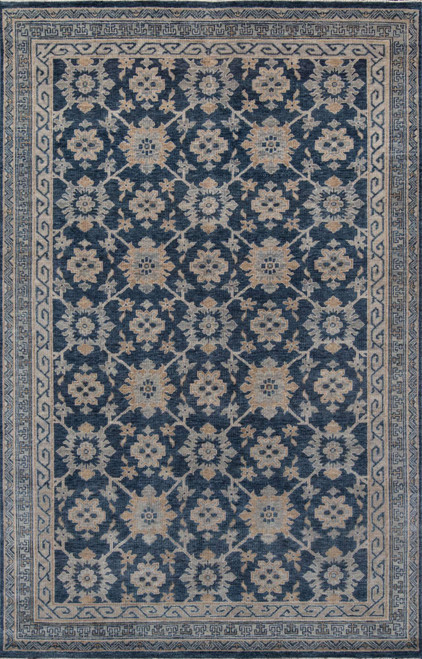
Momeni Banaras BNR-1 Navy Blue Area Rug
Momeni Banaras BNR-1 Navy Blue Area Rug centuries of artisanal craftsmanship are woven into the ornamental patterns of this blue traditional rug. Every inch of the handmade floorcoverings feel like a...
$1,759.00 - $4,069.00 -

Momeni Anatolia ANA-9 Blue Area Rug
Momeni Anatolia ANA-9 Blue Area Rug the pastel color palette of the Anatolia Collection presents the softer side of tribal style. Subdued shades of blue, grey and beige fill the field and ornamental...
$69.00 - $1,275.00 -
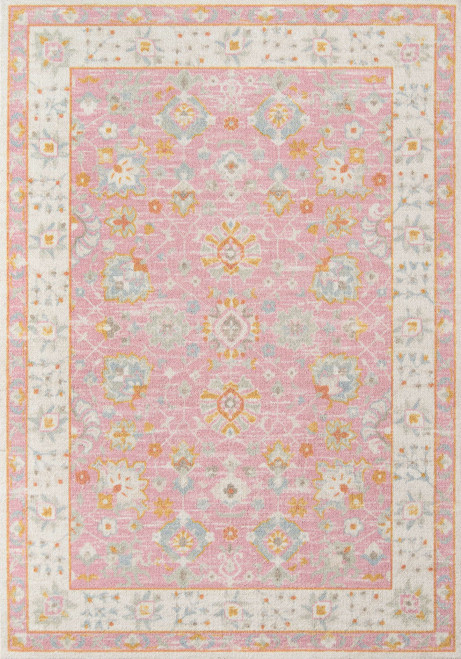
Momeni Anatolia ANA-8 Pink Area Rug
Momeni Anatolia ANA-8 Pink Area Rug the pastel color palette of this pink Anatolia rug presents the softer side of tribal style. Subdued shades of pink, baby blue and brown fill the field and...
$69.00 - $1,275.00 -
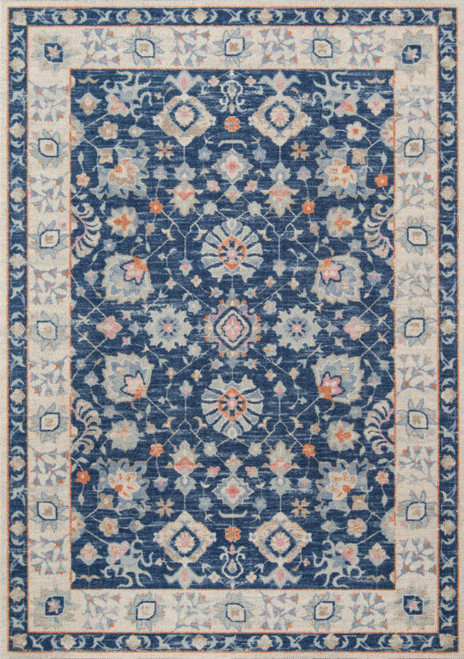
Momeni Anatolia ANA-8 Navy Area Rug
Momeni Anatolia ANA-8 Navy Area Rug the blue palette of this Anatolia rug presents the softer side of traditional style. Shades of navy blue, pink and terracotta fill the field and ornamental rug...
$69.00 - $1,275.00 -

Momeni Anatolia ANA-8 Light Blue Area Rug
Momeni Anatolia ANA-8 Light Blue Area Rug the blue green pastel color palette of this Anatolia rug presents the softer side of tribal style. Subdued shades of this multi-colored rug fill the field...
$69.00 - $1,275.00 -

Momeni Anatolia ANA-8 Charcoal Area Rug
Momeni Anatolia ANA-8 Charcoal Area Rug: The pastel color palette of this Anatolia rug presents the softer side of tribal style. Subdued shades of grey, baby blue and pink fill the field and...
$69.00 - $1,275.00 -

Momeni Anatolia ANA-8 Blue Area Rug
Momeni Anatolia ANA-8 Blue Area Rug the navy blue with pastel color palette of this Anatolia rug presents the softer side of tribal style. Subdued shades of navy, baby blue, ivory, pink and...
$69.00 - $1,275.00 -

Momeni Anatolia ANA-7 Light Blue Area Rug
Momeni Anatolia ANA-7 Light Blue Area Rug the blue pastel color palette of this Anatolia rug presents the softer side of tribal style. Subdued shades of light blue, ivory and taupe fill the field and...
$69.00 - $1,275.00
Traditional & Persian Area Rugs
Traditional and Persian Area Rugs, Chosen With Expert Guidance
Traditional and Persian area rugs are rugs in the classic patterns of the great weaving cultures: center medallions, all-over florals, formal borders, and rich jewel tones. A true Persian or Oriental rug is hand-knotted, one knot at a time, while a Persian-style rug borrows those same designs in a hand-tufted or power-loomed construction.
That one difference explains almost everything about why these rugs cost what they cost, why the finest ones last for generations, and why no machine made rug ever quite looks like a hand-knotted one. People generally do not realize that it usually takes three to four weavers working on a 9 x 12 hand-knotted area rug a year to a year and a half, depending on the knot count, to finish the entire rug. When you stand on a hand-knotted rug, you are standing on years of human hands.
After 25+ years of guiding clients through this category, I want you to understand what you are buying before you buy it. Let the Rug Goddess and her area rug consultants help educate you on picking the right traditional or Persian area rug. We can save you hours and hours of time, not to mention a good deal of money.
Persian, Oriental, or Traditional: What's the Difference?
These words get used interchangeably, and they should not be. The distinction matters when you are comparing prices.
- Persian describes origin. A Persian rug is hand-knotted in Persia, the region that is modern day Iran. A Persian-style rug uses Persian designs but is made somewhere else, often by machine.
- Oriental describes construction. A true Oriental rug is hand-knotted, one knot at a time, by a weaver, whether in Persia, India, China, or elsewhere in Asia.
- Traditional describes design. Traditional refers to the classic patterns and palettes: medallions, florals, all-over Persian motifs, formal borders. A traditional rug can be hand-knotted, hand-tufted, or power-loomed.
So every Persian rug is an Oriental rug, and every Oriental rug in a classic pattern is traditional, but not every traditional rug is hand-knotted. All of them are beautiful, and all of them have their place. A power-loomed traditional rug can be exactly right for a playroom or a rental, while a hand-knotted Persian belongs where you want an heirloom. My job is to tell you honestly which one fits your room, your traffic, and your budget. The rugs above show the full range.
How a Hand-Knotted Rug Is Actually Made
Before hand knotting, many processes have to be performed. Understanding them is the fastest way to become a confident buyer, because each one shows up in the price and in the finished rug.
The yarn comes first
The process used to make the yarn, either hand spun and dyed or machine spun and dyed, is one process on its own, and it generally dictates the cost of the area rug. This is the single biggest fork in the road. Before you look at a pattern or a color, know which kind of yarn you are looking at.
Why hand spun wool looks different
Hand spinning of the wool creates irregularity in the tension of its twist. It is inadvertently spun looser in some places and tighter in others. One practical effect of that irregularity is that when the yarn is soaked in dye, it absorbs less where it is spun tightly and more where it is spun loosely.
Because of those two factors, the irregularity of color and the irregular texture, you get a very handmade look. In the trade this color variation is called abrash, and it is a feature rather than a flaw. Those gentle bands and shifts of tone are how you can often tell a hand spun rug across a showroom floor. Machine spun yarn gives you perfectly even color, which some clients prefer. Neither is wrong. They are different looks, and I will show you both.
Materials for the pile
Wool mainly, and silk rarely, are the chief materials for the finished pile. Wool is the workhorse and for good reason. It is resilient, it resists soil naturally, it takes dye beautifully, and it recovers from furniture compression. Silk appears as an accent to add sheen and highlight a pattern, and occasionally as an entire rug, though a silk rug belongs in a low traffic setting like a formal room or a bedroom.
The dyeing process
The dyeing process could use natural or chemical dyes. Your finer carpets generally use vegetable, botanical, or animal dyes, which are all considered natural dyes.
Until the middle of the nineteenth century, all dyes were of natural origin, and the secrets of the craft were guarded by dye masters. At one time before the turn of the century, Persia banned artificial dyes because of the adverse effect they were having on the economy and on families who carried dye recipes passed down through generations. As time has passed, most larger manufacturers of mass produced rugs use modern synthetic dyes to keep manufacturing costs down.
Modern synthetic dyes are not a problem in themselves. Quality synthetics are colorfast and consistent. What matters is knowing which you are looking at, because natural dyes age differently, mellowing into the soft, complex tones people love in antique rugs.
The two knots
The patterns and design names of most hand-knotted rugs are repeatedly the name of the village or town where the rug was woven. Tabriz, Kashan, Heriz, Sarouk, and Oushak are places before they are patterns. When you learn a few of those names, the whole category opens up.
Basically there are two types of knots used throughout the Orient and India for the actual knotting of the carpet:
- The Ghiordes or Turkish knot, which is a full knot. It wraps symmetrically around two warp threads.
- The Senneh or Persian knot, which is a half knot. It wraps asymmetrically, which allows finer detail and curvilinear designs.
Warp, weft, and the base of the rug
The actual base of the rug is woven threads going up and down, called the warp, and threads going side to side, called the weft. They are entwined together to create the base structure on which the rug is woven. Every knot you see on the surface is tied onto that foundation.
Beating the pile
After one row of knots is finished, a mallet is used to condense the pile. This is repeated time and time again to ensure the pile is as dense as it can be. The tightness of the pile affects the wearability of the rug. The more knots per inch, the longer it will last and give you years and years of enjoyment.
This is why knot count is not a vanity number. It is a durability measurement and a detail measurement at the same time.
Shearing and washing
After the hand weaving is complete, the carpet is sheared and washed. The washing process is time consuming in itself. The rugs are laid out on a flat surface, washed with a broom back and forth by hand, then left to dry in the sun to set the dyes. This process takes days.
That sun drying step is part of why a hand-knotted rug has the hand and the luster it does. There is no way to rush it.
Where These Rugs Come From
These beautiful Persian and Oriental area rugs are inspired by traditional patterns and colors from Persia (modern day Iran), China, and India. Each weaving region carries its own palette, its own motifs, and its own knot preference, which is why two rugs in the same size can feel completely different in a room.
If the history interests you, our posts on the history of handmade Persian rugs and the features of Persian rugs go deeper into the regional traditions.
How to Judge Quality in a Traditional or Persian Rug
Here is what I look at with a client, in order:
- Turn it over. On a hand-knotted rug the pattern is visible on the back with the same clarity as the front, and you can see individual knots. On a machine made rug the back looks like a grid with a stiff backing.
- Count the knots. More knots per inch means finer detail and longer wear. It also means more months of labor, which is where the cost comes from.
- Check the fringe. On a genuine hand-knotted rug, the fringe is the warp threads themselves extending out of the rug. Fringe that is sewn on afterward tells you the rug was made another way.
- Look for abrash. Subtle color variation usually points to hand spun, naturally dyed yarn.
- Feel the wool. Good wool has a lanolin softness and springs back. Dry, brittle wool will not wear well no matter how pretty the pattern is.
You do not have to learn all of this on your own. That is what a consultation is for, and it is exactly the kind of evaluation we do together, whether in your home or over video. Our guides on what to look for in a traditional rug and why area rugs are expensive are helpful companion reads.
Are Persian and Oriental Rugs Worth It?
Persian and Oriental area rugs will provide you with a lifetime of beauty and service. That is not marketing language, it is a consequence of how they are built. A well chosen hand-knotted rug outlives the sofa, the paint color, and often the house it was bought for. Many of the antique rugs on the market today are simply well cared for rugs from a hundred years ago.
Look at cost per year rather than cost at purchase. A rug you replace every five years is the expensive option. A hand-knotted rug you pass to your children is not. And when the room changes around it, a good Persian adapts, because those palettes were developed over centuries to live alongside almost anything.
Traditional and Persian Rugs in Modern Rooms
One of the most common things I hear is that a client loves Persian rugs but worries they will look dated. They will not, if the rug is chosen well.
- Contrast is the trick. A formal Persian medallion under a clean lined modern sofa looks intentional and collected. Matching everything to the rug is what looks dated.
- Watch the scale. A large scale pattern reads calmer in a big room than a busy small scale pattern does. Read how to pick the right rug color before you commit.
- Consider a washed or antiqued finish. Softer, faded palettes bridge traditional pattern and contemporary furniture beautifully. The Oushak-inspired collections from Kalaty, offered through our Central Florida studio, are a favorite for exactly this look.
- If you want the pattern with a lighter feel, transitional rugs take traditional motifs and simplify the palette.
- Size it correctly. Nothing dates a beautiful rug faster than the wrong size. See The Complete Area Rug Size Guide and where an area rug should be placed.
Traditional and Persian rugs also do beautiful work in offices. A hand-knotted rug in a reception area, a partner's office, or a conference room signals permanence and care in a way that furniture alone cannot.
Caring for Your Traditional or Persian Rug
Hand-knotted rugs are more forgiving than most people expect, and a few habits protect your investment for decades:
- Use a quality rug pad. It cushions every step, keeps the foundation from grinding against the floor, and adds years of life.
- Rotate the rug once or twice a year so sun and traffic wear it evenly.
- Vacuum without a beater bar and never vacuum the fringe directly.
- Blot spills immediately rather than rubbing them in. Wool's natural lanolin gives you more time than you think.
- Have it professionally washed every few years, not steam cleaned like wall-to-wall carpet.
- Consider ForceField protection if the rug is going into a dining room or a home with young children.
Our full guide on how to care for your area rug covers the rest. If you have an older rug you are replacing, read what to do with your old area rug.
See These Rugs in Real Rooms
Photographs of real rugs in real rooms tell you more than any description can. Our area rug ideas gallery shows how these rugs live in finished spaces. If you find something close to what you want, that is the perfect place for our conversation to begin.
If your room needs a size or shape that no hand-knotted rug comes in, we also handle custom projects, including custom hand-knotted rugs made to your exact dimensions and color direction.
Why Work With Rug Goddess on a Traditional or Persian Rug
- 25+ years of specialized expertise. Area rugs are all we do. In a category where construction, origin, dye, and knot count all move the price, that focus protects you.
- Honest education first. We tell you when a traditional power-loomed rug serves you better than a hand-knotted one, and when it does not.
- Exclusive brands and access. Jaunty, Stanton, Prestige Mills, Calvin Klein, Kaleen, Momeni, Couristan, Nourison, Jaipur Living, KAS, Trans-Ocean, and Wayside, plus sources outside the big box channel.
- See it before you buy it. Request samples and preview rugs in a photo of your room with our RoomVo room visualizer.
- Personal follow-through. I stay in contact with you from first call through delivery. Our client testimonials reflect that consistently.
- Home and office, nationwide. In-home consultations in the Tampa and Central Florida and Kansas City areas, virtual consultations everywhere else. Here is why clients buy from Rug Goddess.
Related Reading
- What to Know About Persian Style Rugs?
- What Are the Features of Persian Rugs?
- The History of Handmade Persian Rugs
- Persian Rugs: Give Your Home a Royal Touch
- What to Look for in a Traditional Rug
- Benefits of Using Traditional Vintage Rugs
- Advantages of Having Traditional Rugs for the Living Room
- Rug Mentality: Why Not Wool?
- Rug Ideas That'll Make Your Space Feel Complete
- Why Does Your Area Rug Need a Pad?
Frequently Asked Questions About Traditional and Persian Rugs
Let's Find Your Traditional or Persian Rug Together
Choosing a hand-knotted rug should feel exciting, not intimidating. Tell me about your room and I will help you find a rug worth passing down.
Schedule an In-Home Consultation Book a Virtual Consultation Preview Rugs With RoomVo
Your consultation fee is credited toward your rug.
Call toll free 1-800-481-1572 or email janice@ruggoddess.com
Tampa and Central Florida 352-503-9410 · Kansas City 913-481-4577